
Uncategorized
7 Ways to Recognize the Signs Someone Needs CPR and Act Fast
A practical guide to signs someone needs cpr.
Oct 27, 2026
3 min read
Read More
Expert advice on CPR certification, AED maintenance, and emergency preparedness from Sacramento's trusted life safety professionals.
A practical guide to signs someone needs cpr.
This guide explains how to perform infant CPR on a baby under 12 months, walking a single rescuer through scene safety, checking responsiveness, compressions, and rescue breaths, and noting what changes with two trained rescuers. It reflects 2026 American Heart Association and Red Cross recommendations and urges readers to follow up with a certified hands-on course.
Employee safety training requirements come from federal OSHA standards, state-plan rules, industry regulations, and insurer policies, and which ones apply depends on your hazards, job roles, and location. This guide maps the law to specific training topics, explains where CPR, First Aid, and AED training fit, and shows how to document your program so you can prove compliance to an inspector.
There is no official national CPR certification exam pass rate, because training is delivered by independent instructors and certifying organizations do not publish results. This guide explains what the written exam and hands-on skills test require, why students miss on the first attempt, how retesting works, and how to leave class with a valid card.
When an employee is not trained in emergency response, the first minutes of a cardiac arrest, fire, or injury are lost to hesitation and poor coordination. This article explains the most common mistakes, the employer obligations to check, which training fits which role, and how a safety coordinator can close gaps without overhauling the whole organization.
OSHA requires adequate first aid supplies but publishes no fixed item list, so most employers follow ANSI/ISEA Z308.1. This guide explains the first aid kit requirements for workplace compliance, what a kit should contain, how to match it to your hazards and headcount, and how upkeep and training make the supplies useful.
This step-by-step guide shows you how to build workplace cardiac emergency preparedness as a complete system of people, equipment, a written plan, and practice. You will assess risk and response gaps, place AEDs, train staff, and schedule drills so your team can act fast when sudden cardiac arrest strikes.
Understanding the BLS vs CPR certification differences can save you from paying for a course your employer or school will reject. This guide walks through seven strategies for verifying who requires the card, comparing skills and audiences, choosing the right course, and keeping your credential current.
Many workplaces have emergency plans on paper, but employees often can't act on them when it counts. This guide walks safety coordinators, HR leads, and healthcare managers through seven strategies for emergency response training for employees, from risk assessment and certification to drills, refreshers, and measurement.
There is no single federal mandate covering AED training requirements for employees, so your obligations depend on your state, your industry, and whether a device is on site. This guide explains how OSHA guidance, state statutes, licensing boards, and insurer expectations fit together so employers can build a compliant, effective emergency response program.
CPR certification for daycare workers is governed by a patchwork of state licensing rules on top of a federal baseline for subsidized care. This guide explains who must be certified, which hands-on pediatric course to choose, what makes a card valid, and how child care providers can stay compliant in 2026.
This guide gives workplace safety coordinators and clinic managers seven practical strategies for evaluating the best AED training programs. It explains how to check guideline alignment, certification validity, and hands-on practice so your team can act confidently during a cardiac arrest.
Basic life support certification requirements depend on your employer, state licensing board, or school program rather than a single national rule. This guide explains which healthcare roles need BLS, what the course and hands-on skills test cover, how to choose an accepted provider and course format, and how to renew before your card lapses.
First aid certification cost varies by provider, format, region, and group size, but the biggest expense is paying for a card your employer or licensing board rejects. This guide shares seven strategies, starting with confirming the right credential, to help individuals, safety coordinators, and healthcare staff spend less while keeping their certification valid.
A CPR certification cost comparison should look beyond the sticker price to what is included, whether your employer will accept the card, and what renewal costs two years later. This guide walks healthcare professionals, safety coordinators, and individuals through seven strategies to define the requirement, compare true costs, confirm acceptance, and lower the total you pay.
Learn how to recognize cardiac arrest symptoms and respond in the critical first minutes. This guide walks you through a simple sequence of checking responsiveness and breathing, calling for help, starting compressions, and using an AED, and explains how cardiac arrest differs from a heart attack.
Switching providers is easy, but ending up with a card your employer, licensing board, or school rejects is costly. This guide walks through seven strategies for choosing among American Heart Association CPR alternatives, starting with confirming exactly what your requester requires, so your certification holds up when someone checks it.
Choosing between CPR certification vs first aid certification comes down to your workplace requirement, your risk level, the course format, and the renewal schedule. This guide walks through seven practical strategies so you can pick the right card the first time and avoid paying for a class your employer will not accept.
Searching for CPR training near me for individuals is easier when you treat it as a decision process rather than a provider list. This guide walks through seven strategies, from confirming who must accept your card to choosing a format, vetting providers, comparing costs, and planning renewal, so you avoid paying for a course twice.
Learn how to renew expired CPR certification by first checking your card type and expiration date, then confirming whether you qualify for a shorter renewal course or must retake the full class. This step-by-step guide also explains how to confirm provider requirements, such as AHA or American Red Cross, so you end with a valid new card.
Getting same day CPR certification is easy; getting a card your employer or licensing board accepts is the real challenge. This guide shares seven strategies for confirming requirements, choosing an instructor-led or blended course, passing the skills test the first time, certifying a whole team, and proving your certification right away.
There is no single national rule for where AEDs must go, so automated external defibrillator placement requirements come from a mix of state laws, local building and fire codes, and industry guidance. This guide explains which workplaces and facilities are typically required to have an AED and how to place it for a fast response.
Emergency response training for workplace safety only works if employees can use it under pressure, not just complete it on paper. This guide walks safety coordinators through seven strategies, from site-specific hazard assessment to measuring results, so teams can cover the critical minutes before EMS arrives.
Most CPR cards from the AHA and Red Cross are valid for two years, but your employer or licensing board may set a stricter deadline. This guide explains how often to renew CPR certification by course type and role, what happens after a lapse, and how to renew with a card that will be accepted.
A practical guide to how to treat severe bleeding.
A practical guide to cpr certification for fitness instructors.
This guide walks through the CPR steps and procedures in the order a rescuer performs them: check the scene, call for help, compress, breathe, and use an AED. It covers the full adult sequence first, then marks where children and infants differ, based on American Heart Association guidance. It also explains why hands-on certification is still the best way to practice compression depth and rhythm.
CPR training for construction workers fills the critical gap between a collapse and the arrival of EMS, which can be long on multistory or remote sites. This guide explains why job sites raise the stakes, what OSHA requires as of 2026, which courses fit which roles, and how to build a training program that works across shifts and subcontractors.
This step-by-step guide explains what to do if someone stops breathing, walking through scene safety, responsiveness checks, CPR, and AED use so anyone can act confidently in an emergency, even without prior training.
This article explains why CPR training for dental office staff must be tailored to healthcare-specific risks like anesthetic and sedation complications, rather than relying on a generic community CPR card. It also covers who on the dental team should be certified and how to schedule training to meet state board and OSHA requirements.
This article outlines eight practical strategies for building corporate safety training programs that hold up not just to an audit, but to a real workplace emergency. It covers role-based risk assessment, certification tracking, and pressure-tested drills that go beyond OSHA compliance paperwork.
This guide walks babysitters through choosing, completing, and maintaining CPR certification for babysitters, covering parent and agency requirements plus infant, child, and adult techniques so they can confidently respond to emergencies while caring for children.
This article explains the difference between CPR and first aid, clarifying that CPR targets cardiac or respiratory arrest while first aid covers a broader range of injuries and illnesses. It also outlines how training differs for each so readers know which skill to apply in a given emergency.
This article breaks down infant CPR certification requirements by role, explaining who needs infant-specific training, how it differs from adult CPR, and how to identify the correct renewal schedule for your situation.
This guide breaks down how long CPR certification takes across different course types and delivery formats, from quick layperson classes to longer healthcare provider training, so you can plan your schedule around class time.
This article breaks down cpr recertification requirements, covering renewal timelines, missed-deadline consequences, and course content so healthcare workers and safety coordinators can recertify without hassle. It also highlights common mistakes that force people into retaking the full course instead of a quick renewal.
This step-by-step guide explains how to perform CPR on adults, covering scene safety, responsiveness checks, chest compressions, and rescue breaths based on current guidelines. It also emphasizes why hands-on certification training is essential for building the muscle memory needed in a real emergency.
This article outlines seven practical strategies for structuring onsite CPR training for businesses as an ongoing program rather than a one-time event, helping workplace safety coordinators build lasting emergency readiness. It covers class sizing, scheduling around shifts, and keeping AEDs and skills consistently ready for real emergencies.
This article outlines seven practical strategies for choosing and getting the most from hands on cpr training courses, so skills like compressions, rescue breaths, and AED use truly transfer for real emergencies rather than just earning a certificate.
This article explains what lifeguard CPR certification is, how it differs from standard CPR training by adding water rescue and team resuscitation skills, and outlines the steps needed to get certified for aquatic job requirements.
This guide breaks down the cpr certification requirements for healthcare workers, explaining why BLS certification differs from general CPR courses, which clinical roles need it, and how to choose an accredited provider before renewal deadlines hit.
This article outlines eight practical strategies for designing workplace CPR training programs that deliver real emergency readiness, not just compliance certificates, covering legal requirements, coverage planning, and realistic practice. It treats CPR training as an ongoing operational system rather than a one-time class.
This article explains what workplace safety compliance training covers, who needs it, and how it differs from general safety training, giving employers a practical framework for building a program that satisfies regulators and protects employees.

This article outlines 8 practical strategies for securing group discount CPR classes for an entire team, from consolidating schedules to combining departments, so organizations can train more staff without sacrificing certification quality. It's aimed at workplace safety coordinators looking to stretch training budgets further.
This guide compares 9 top providers of group CPR training for companies, evaluating onsite versus virtual delivery, AHA and Red Cross certification alignment, and transparent bulk-booking pricing to help HR and safety coordinators choose the right fit.
This guide walks daycare providers through getting CPR certification, explaining why pediatric-focused courses are required and how to meet state childcare licensing rules. It covers choosing the right course format and what to check before you enroll.
This guide outlines seven practical strategies for evaluating cpr instructor certification programs, helping healthcare professionals verify accreditation, cost, and renewal requirements before enrolling. It aims to help readers avoid wasted tuition on credentials their employers won't recognize.
Small business owners face unique challenges when it comes to workplace safety, and CPR classes for small business owners offer a practical, affordable way to protect employees and meet OSHA and state licensing requirements. This guide walks through 7 proven strategies to help lean teams get certified, stay compliant, and build a more confident, prepared workplace.
Choosing the right CPR certification can be confusing, but knowing which CPR course do I need comes down to your role, employer requirements, and preferred learning format. This guide walks through seven targeted strategies to help nurses, teachers, parents, and professionals move from uncertainty to the right enrollment decision.
This guide covers the complete sequence of choking rescue techniques for adults, from recognizing the signs of airway obstruction to performing abdominal thrusts and transitioning to CPR when necessary. Whether you are a healthcare professional, a workplace safety coordinator, or simply someone who wants to be prepared, you will gain a reliable, confidence-building framework for responding to a choking emergency.
Corporate first aid training programs are a cornerstone of responsible workplace safety, yet building one that truly works requires far more than a one-time class. This guide outlines seven proven strategies to help safety coordinators and HR leaders design, implement, and sustain a program that genuinely prepares employees to act decisively when emergencies strike.
This guide walks first-time students through exactly what to expect in a CPR training class, covering class structure, hands-on skills practice, and the certification process. Whether you're attending by employer requirement or personal choice, you'll leave knowing how to act confidently in a cardiac emergency.
Group Cpr Certification Programs allow organizations to train entire teams at once, building consistent emergency response readiness while reducing per-participant costs. This guide covers 7 proven strategies to help safety coordinators, healthcare administrators, and facilities managers plan, execute, and sustain more effective CPR certification programs.
CPR and BLS certifications are often used interchangeably, but they are distinct credentials designed for different audiences and skill levels. This article breaks down exactly what each certification covers, who it is intended for, and how to determine which one is right for your specific role or workplace requirement.
BLS Certification For Medical Assistants is the standard healthcare provider credential that prepares clinical staff to respond to cardiac and respiratory emergencies with trained, confident action. This step-by-step guide covers everything from understanding course requirements and choosing a format to passing your skills evaluation and planning for renewal.
Choosing a CPR training provider is about more than convenience — it determines whether your certification translates to real life-saving skills when it matters most. This step-by-step guide helps healthcare professionals, workplace safety coordinators, and individuals identify what to look for in how to choose a CPR training provider, from accreditation to hands-on practice.
This guide walks workplace safety coordinators and healthcare managers through a seven-step framework for building a complete emergency preparedness training for staff program — from assessing current gaps and selecting certifications to scheduling sessions and maintaining compliance. Applicable across industries including clinical settings, corporate offices, schools, and childcare facilities, it provides a clear path from no formal training to a fully operational emergency response system.
Pediatric first aid certification requirements differ significantly by profession, employer, and state — and a certification that satisfies one may not satisfy another. This guide breaks down what childcare providers, school nurses, camp counselors, and other child-facing professionals need to know to stay compliant and truly prepared.
Professional CPR instructor-led training is the hands-on, expert-guided format that transforms CPR awareness into reliable, pressure-tested life-saving skill. This guide covers how the training works, why it outperforms self-paced alternatives, who is qualified to deliver it, and how individuals and workplace teams can choose the right certified program.
Basic Life Support Certification is a critical credential for healthcare professionals, workplace safety coordinators, and prepared individuals who want to respond effectively to cardiac arrest and breathing emergencies. This step-by-step guide walks you through choosing the right course format, mastering required skills, passing your evaluation, and maintaining your certification over time.
The American Heart Association has long set the gold standard for CPR training and certification across the United States, shaping guidelines relied upon by hospitals, employers, and individuals alike. This article explains what American Heart Association CPR guidelines mean in practice, who needs certification, and how to choose the right course for your situation.
Workplace safety certification courses are most effective when treated as a structured, ongoing program rather than a one-time requirement. This article gives safety coordinators, HR managers, and business owners seven actionable strategies to select the right courses, maintain compliance, boost employee engagement, and build a workplace culture where life-saving skills are always within reach.
This guide walks parents, childcare providers, nurses, and safety coordinators through every stage of completing an Infant Cpr Certification Course — from finding the right program and preparing your materials to passing the skills assessment and maintaining your certification. Because infant CPR technique differs critically from adult CPR, this structured walkthrough is designed to build both competence and confidence.
Onsite CPR training brings certified instructors directly to your workplace, giving teams the life-saving skills they need in the environment where emergencies are most likely to occur. This article outlines seven proven strategies to help safety coordinators, HR managers, and healthcare administrators plan, execute, and sustain a high-impact CPR training program.
Group Cpr Training empowers entire teams — not just a select few — to respond confidently in cardiac emergencies. This article outlines eight proven strategies to help workplace safety coordinators and HR managers plan, execute, and sustain a high-impact CPR training program that goes beyond compliance and builds a genuine culture of safety.
This guide covers Automated External Defibrillator Training from start to finish, walking workplace safety coordinators, healthcare professionals, and everyday individuals through certified course expectations, hands-on AED practice, CPR integration, and strategies for maintaining life-saving skills over time.
CPR recertification requirements vary widely by industry, job role, certifying body, and state regulations — making it easy for organizations to fall out of compliance without a clear tracking system. This guide breaks down exactly how often employees need CPR recertification across different workplace settings, helping safety coordinators and HR managers build a reliable, audit-ready renewal program.
Workplace CPR training requirements span federal guidelines, OSHA expectations, and industry-specific mandates that many employers overlook — creating legal, financial, and human risk. This guide breaks down exactly what obligations apply to your workplace and how to build a compliant, confident response plan.
First Aid Certification Requirements vary widely across employers, licensing boards, and regulatory bodies — and enrolling in the wrong course can mean wasted money, duplicate training, and dangerous compliance gaps. This guide breaks down exactly what to confirm before you register so you choose the right certification the first time.
CPR and BLS certifications are closely related but not interchangeable — they target different audiences, cover different skill sets, and carry different weight in professional and regulatory settings. This article breaks down exactly what each certification includes, who needs which one, and how to make the right choice for your role.
First Responder Training Certification prepares individuals, healthcare professionals, and workplace safety coordinators to act decisively in emergencies. This step-by-step guide covers everything from selecting the right certification level and meeting eligibility requirements to completing hands-on training and maintaining your credential over time.
Choosing between In-Person Vs Online Cpr Certification depends on your specific requirements, role, and learning goals — and the wrong choice can mean rejected credentials or gaps in hands-on readiness. This guide walks through seven practical strategies to help healthcare professionals, workplace coordinators, and individuals make a confident, informed decision about which CPR training format is right for them.
First Aid Certification For Construction Workers is both an OSHA requirement and a critical safety investment for one of the most hazardous industries in the country. This article breaks down 7 practical strategies to help construction companies implement effective first aid training programs that work around shift schedules, rotating crews, and remote job sites.
CPR Certification for Fitness Trainers is a critical credential for any fitness professional who works with clients in high-exertion environments where cardiac emergencies can occur without warning. This guide breaks down why the certification matters, how to choose the right level, what the training covers, and how to keep it current throughout a long coaching career.
Group CPR training pricing varies widely across providers and course formats, but the cost drivers are predictable once you know what to look for. This article helps workplace safety coordinators and HR managers decode quotes, identify hidden costs, and build a realistic budget for certifying their team.
Not all CPR certification programs are created equal, and choosing the wrong one can cost you time, money, and professional credibility. This guide walks through seven practical strategies for a thorough CPR certification programs comparison, giving nurses, workplace safety coordinators, and first-time learners a clear framework to identify the program that best fits their specific needs.
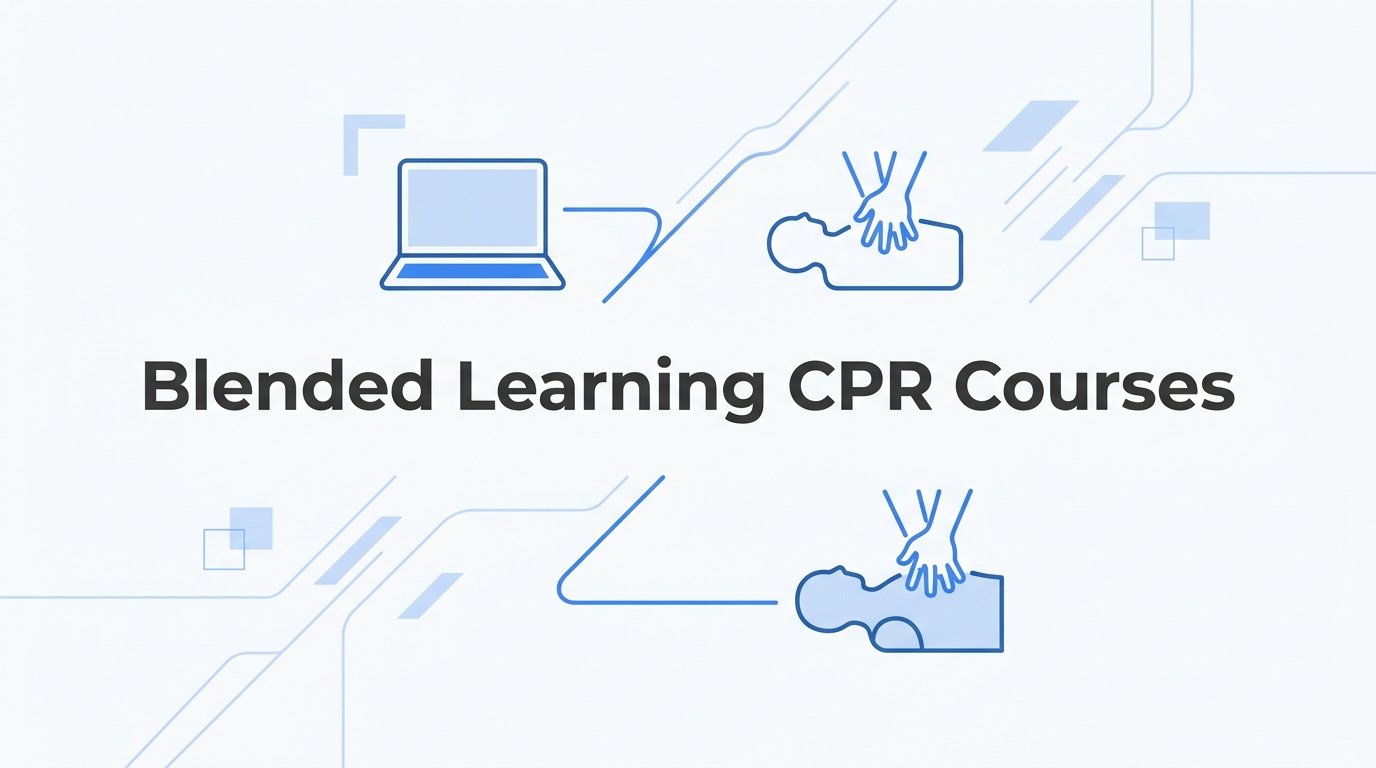
Blended Learning CPR Courses combine self-paced online instruction with a required in-person skills session, giving healthcare teams, workplace safety coordinators, and individuals a flexible path to CPR certification that works around real-world schedules without sacrificing the hands-on practice that saves lives.
Cardiac emergencies can strike any workplace at any moment, and the coworkers nearby are often the only ones who can act before paramedics arrive. This article explains why CPR training for workplace safety is an essential operational priority and gives employers the practical knowledge they need to protect their teams.
Employee safety training compliance is an ongoing operational responsibility, not a one-time event — and treating it as the latter is how organizations end up with lapsed certifications, regulatory penalties, and preventable harm. This article breaks down what every workplace needs to know to build a sustainable compliance process that holds up under audit and in real emergencies.
On-site CPR training for businesses moves beyond checkbox compliance by bringing certified instruction directly to the workplace, building the muscle memory and confidence employees need to respond to sudden cardiac arrest. This article outlines seven proven strategies — from smart scheduling and course selection to compliance tracking and long-term safety culture — to help workplace safety coordinators, HR managers, and business owners get the most from every training session.
Choosing the best CPR certification for nurses requires more than picking the most convenient course — nursing professionals must navigate employer mandates, state board standards, and accreditation requirements to stay compliant and confident. This article outlines seven actionable strategies to help nurses at every career stage select, schedule, and maintain the right certification without risking compliance gaps or license lapses.
Teachers are often the first — and only — responders when a cardiac emergency, choking incident, or severe allergic reaction strikes in a school setting. This guide outlines seven practical strategies for finding and completing the best life support training for teachers, helping educators, administrators, and safety coordinators build lasting, school-wide emergency response readiness.
Hands-on CPR practice classes are where certification knowledge becomes real, life-saving competence — but only if you approach them with intention. This article outlines seven proven strategies to help healthcare professionals, workplace safety coordinators, and everyday learners absorb more, retain longer, and perform confidently when it matters most.
Cpr training for daycare providers is a legal requirement in most states and a critical lifesaving skill for any childcare setting. This guide reviews the 9 best CPR training resources available in 2026, spanning in-person certification, online courses, and pediatric-focused programs, so center directors and individual providers can find the right fit for their schedule, budget, and compliance needs.
Booking workplace CPR training doesn't have to be overwhelming — this step-by-step guide walks safety coordinators and HR professionals through every stage of the process, from assessing team needs and choosing the right certification program to vetting providers, managing logistics, and keeping certifications current over time.
Emergency CPR training equips individuals with the life-saving skills needed to respond effectively during cardiac arrest before emergency services arrive. This guide covers who needs certification, what training involves, and how to get certified—whether you're a healthcare professional, workplace safety coordinator, or everyday bystander looking to make a difference in a critical moment.
CPR training for healthcare workers is a critical professional responsibility that demands more than periodic certification — it requires a structured, ongoing approach to skill-building and team readiness. This article presents seven proven strategies to help healthcare professionals, training coordinators, and department managers build a more effective and resilient CPR training program.
Choosing between CPR training vs first aid training depends on your role, environment, and regulatory obligations — not a one-size-fits-all answer. This article breaks down seven practical strategies to help healthcare professionals, workplace coordinators, childcare workers, and everyday individuals select the certification that best prepares them for real emergencies.
Workplace first aid training equips ordinary employees with the practical, potentially life-saving skills needed to respond effectively to on-the-job emergencies — from choking and severe bleeding to allergic reactions — before professional help arrives. This article covers what the training includes, which employees need it, and how organizations can get started with the right certifications.
Implementing first aid certification for employees requires more than a one-time training checkbox — it demands a strategic, ongoing program that ensures the right people have the right skills when emergencies strike. This guide outlines eight proven strategies to help HR managers, safety coordinators, and business owners build an effective workplace certification program, from identifying who needs training to maintaining current credentials without disrupting daily operations.
This guide breaks down the real CPR certification cost for small business owners, covering per-employee pricing, group discounts, renewal planning, and the key factors that drive costs up or down — giving you a practical framework to get your team certified without overextending your safety budget.
Scheduling a CPR certification class involves more decisions than most people expect, from choosing the right course type and format to verifying instructor credentials and coordinating team calendars. This step-by-step guide breaks the entire process into a clear, manageable framework that works whether you're booking a single seat or organizing training for a full department.
Maintaining staff CPR certifications is a legal, ethical, and operational responsibility for workplaces ranging from healthcare facilities to small businesses. This step-by-step guide provides a clear, repeatable system for tracking expiration dates, scheduling renewals, and ensuring your workforce is genuinely prepared to respond to a cardiac emergency.
This step-by-step guide walks individuals, workplace safety coordinators, and healthcare professionals through everything they need to enroll in a first aid course — from choosing the right certification and vetting reputable providers to fitting training into a busy schedule and knowing what to expect on the day of class.
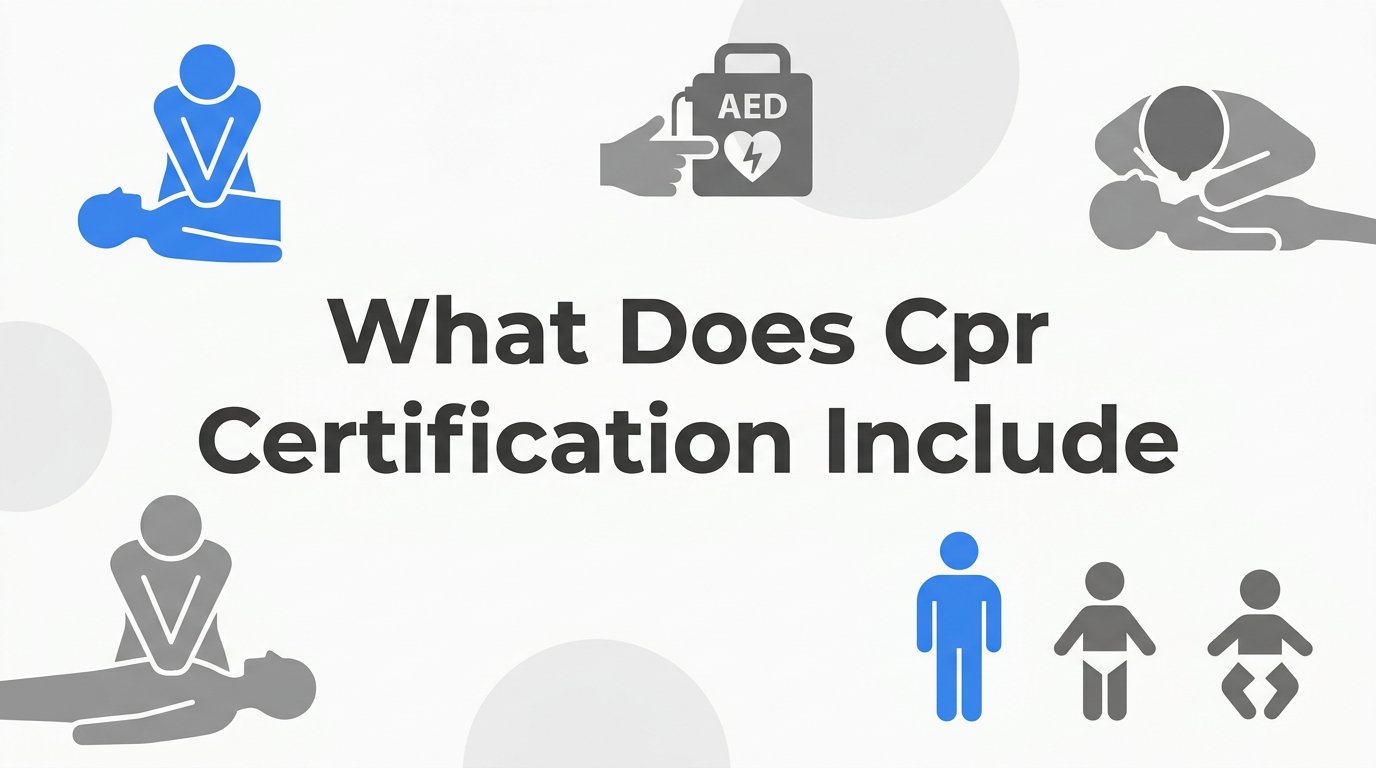
CPR certification courses cover far more than chest compressions — including AED operation, rescue breathing, emergency recognition, and age-specific techniques for adults, children, and infants. This complete breakdown explains exactly what does CPR certification include, how different course types vary, and what you can expect to walk away knowing.
This guide answers the question of how long does CPR training take by breaking down every key variable — course type, certification level, delivery format, and renewal vs. initial training. Whether you need a quick community-level certification or a full healthcare-provider course, you'll find clear time estimates and format comparisons to help you plan with confidence.
This guide breaks down how to get CPR certified quickly, walking readers through choosing the right certification level, finding a reputable provider, and completing training efficiently — all without prior medical experience. Whether you're a healthcare professional, a workplace safety coordinator, or simply want to be prepared, you'll leave with a clear, actionable plan and a valid certification card.
CPR training for employers is a strategic investment that prepares your workforce to respond effectively during cardiac emergencies before professional help arrives. This step-by-step guide covers how to assess workplace needs, select the right certification program, and build a lasting culture of safety and preparedness across any industry or team size.
Setting up first aid training in the workplace can mean the difference between tragedy and recovery when medical emergencies strike. This step-by-step guide walks safety coordinators, business owners, and HR professionals through assessing workplace needs, selecting the right training programs, scheduling sessions, equipping facilities, and maintaining an effective long-term program that keeps employees prepared and organizations compliant.
This comprehensive guide offers seven practical strategies to help individuals, workplace coordinators, and healthcare professionals find quality CPR classes near me, cutting through the confusion of varying certification bodies, course formats, and pricing. Whether seeking initial certification or BLS recertification, these actionable tips ensure you choose the right provider to build genuine life-saving preparedness.
Healthcare provider BLS certification is a specialized life support credential required for nurses, physicians, and other clinical professionals that goes beyond standard CPR training. This guide explains exactly what healthcare provider BLS involves, which roles require it, and how to get certified or renew through a nationally recognized program.
This complete guide walks readers through every step to become CPR certified — from selecting the right certification level and finding an accredited provider to preparing for class and maintaining credentials. Whether you are a healthcare professional, a workplace safety coordinator, or a first-time learner, you will leave with a clear, actionable plan you can start today.
Finding time for CPR training is less a matter of having spare hours and more a matter of having the right plan — and this guide delivers exactly that. In six practical steps, busy professionals learn how to work CPR certification strategically into their existing schedules, so a cardiac emergency never catches them unprepared.
Managing CPR Training Scheduling Challenges is one of the most frustrating responsibilities for safety coordinators and training managers, especially when rotating shifts, compliance deadlines, and certification windows all compete for attention. This article delivers seven proven, actionable strategies to help organizations of any size keep their entire team certified, compliant, and prepared without disrupting daily operations.
An expired CPR certification is far more than a paperwork problem — it can trigger job loss, legal liability, and dangerous skill gaps when a real emergency strikes. This article breaks down the seven most serious expired CPR certification consequences and provides actionable strategies to help professionals renew quickly and stay compliant.
Hands only CPR training teaches everyday people a simplified, proven technique for responding to cardiac arrest using chest compressions alone—no rescue breaths required. This accessible approach removes common barriers like fear and lack of medical knowledge, empowering bystanders to act immediately and confidently when someone's life depends on it.
Pediatric first aid certification is a dedicated credential that equips caregivers, educators, coaches, and parents with child-specific emergency skills that standard adult first aid courses do not cover. This guide explains what the certification includes, who needs it, how it compares to general CPR credentials, and how to choose the right program.
Group CPR training for employees is one of the most impactful investments a company can make in workplace safety, yet many organizations fail to implement it effectively. This guide delivers eight proven, immediately actionable strategies to help safety coordinators, HR managers, and business owners build a genuinely prepared workforce — not just meet a compliance checkbox.
Most CPR certifications last two years, but expiration timelines, renewal requirements, and consequences for letting your card lapse vary by role, employer, and certification type. This article breaks down everything you need to know about the CPR certification cycle so you can stay compliant and confident before an audit, a job application, or a real emergency catches you off guard.
CPR certification requirements vary significantly based on your profession, employer policies, state licensing rules, and industry standards—making it essential to understand which course type, certification level, and renewal timeline applies to your specific situation before you enroll.
BLS certification is a professional-level credential that trains healthcare workers and emergency responders in evidence-based life-support techniques — including CPR, AED operation, and airway management — for patients of all ages. This guide explains what BLS certification covers, who needs it, and how it serves as the emergency response foundation for clinical environments and workplaces.
Workplace CPR training has become a critical organizational priority, yet a single compliance class is rarely enough to prepare employees for a real cardiac emergency. This guide outlines seven proven strategies — from program planning and training format selection to ongoing reinforcement — that safety coordinators, HR professionals, and business owners can use to build a CPR program that genuinely saves lives.
Onsite CPR training programs bring certified emergency instruction directly to the workplace, removing the logistical barriers that keep employees from getting trained. This article outlines seven proven strategies for designing, launching, and sustaining a program that maximizes participation, satisfies compliance requirements, and ensures your team is genuinely prepared to respond when a cardiac emergency strikes.
This step-by-step guide walks healthcare professionals, workplace safety coordinators, teachers, and everyday individuals through the expired CPR certification renewal process — explaining how lapse length affects your course options and how to walk away with a valid certification card as quickly as possible.
Life saving skills training equips everyday people—not just healthcare professionals—with the practical competencies needed to respond effectively during cardiac arrest, choking, and other medical emergencies. This guide covers what the training includes, who benefits most from certification, and how to get certified through recognized programs that meet both personal preparedness and workplace compliance requirements.
Keeping your CPR certification current is critical whether you are a nurse, personal trainer, or parent — but renewal deadlines are easy to miss. This step-by-step guide explains exactly how to maintain CPR certification, from understanding expiration timelines to completing recertification and organizing your credentials for good.
Taking an infant CPR class is one of the most critical steps a caregiver can take, but preparation and follow-through determine whether that training translates to real-world readiness. This article outlines seven proven strategies to help parents, childcare providers, and safety coordinators extract maximum value from their infant CPR training, from selecting the right class to retaining life-saving skills long after certification.
CPR training online offers healthcare professionals, workplace safety coordinators, and everyday individuals a flexible, high-quality path to life-saving certification — but getting the most out of it requires the right approach. This article breaks down seven proven, actionable strategies to help you move from screen-based learning to genuine, confident emergency readiness.
CPR training in Sacramento equips individuals, healthcare professionals, and workplace teams with the life-saving skills needed to respond confidently during cardiac emergencies. This guide outlines seven practical strategies — from selecting the right course format and meeting certification requirements to maintaining skills over time — so you get maximum value from every class you take.
Pediatric CPR certification equips caregivers, healthcare professionals, and parents with the specialized skills needed to respond to cardiac and respiratory emergencies in children and infants. This step-by-step guide covers everything from choosing the right course for your role to meeting certification requirements, so you can act confidently when a child's life depends on it.
Learning how to get CPR certified is more straightforward than most people expect, with accredited courses available in formats that fit any schedule—often completed in a single day. This step-by-step guide covers everything from choosing the right certification type for your role to finding a trusted provider, so you can gain the life-saving skills needed to respond confidently during a cardiac emergency.

Getting your CPR first aid certification is a straightforward process that equips you with life-saving skills to respond confidently during cardiac arrests and medical emergencies. This step-by-step guide covers everything healthcare professionals, workplace safety coordinators, and everyday individuals need to know to choose the right course, complete training, and earn their certification.
Understanding how long is a CPR class helps you plan your schedule before enrolling. Most CPR courses range from 2 to 8 hours depending on the certification level, course format, and whether you're a first-time learner or renewing existing credentials, with options available for healthcare professionals, workplace requirements, and general public certifications to fit nearly any schedule.
Mastering first aid CPR AED as an integrated response system—rather than three separate skills—can dramatically improve survival outcomes during cardiac emergencies and medical crises. This guide outlines seven practical strategies to help individuals, workplace safety coordinators, and healthcare professionals build and maintain effective emergency response capabilities, from selecting the right certification program to developing a comprehensive action plan.
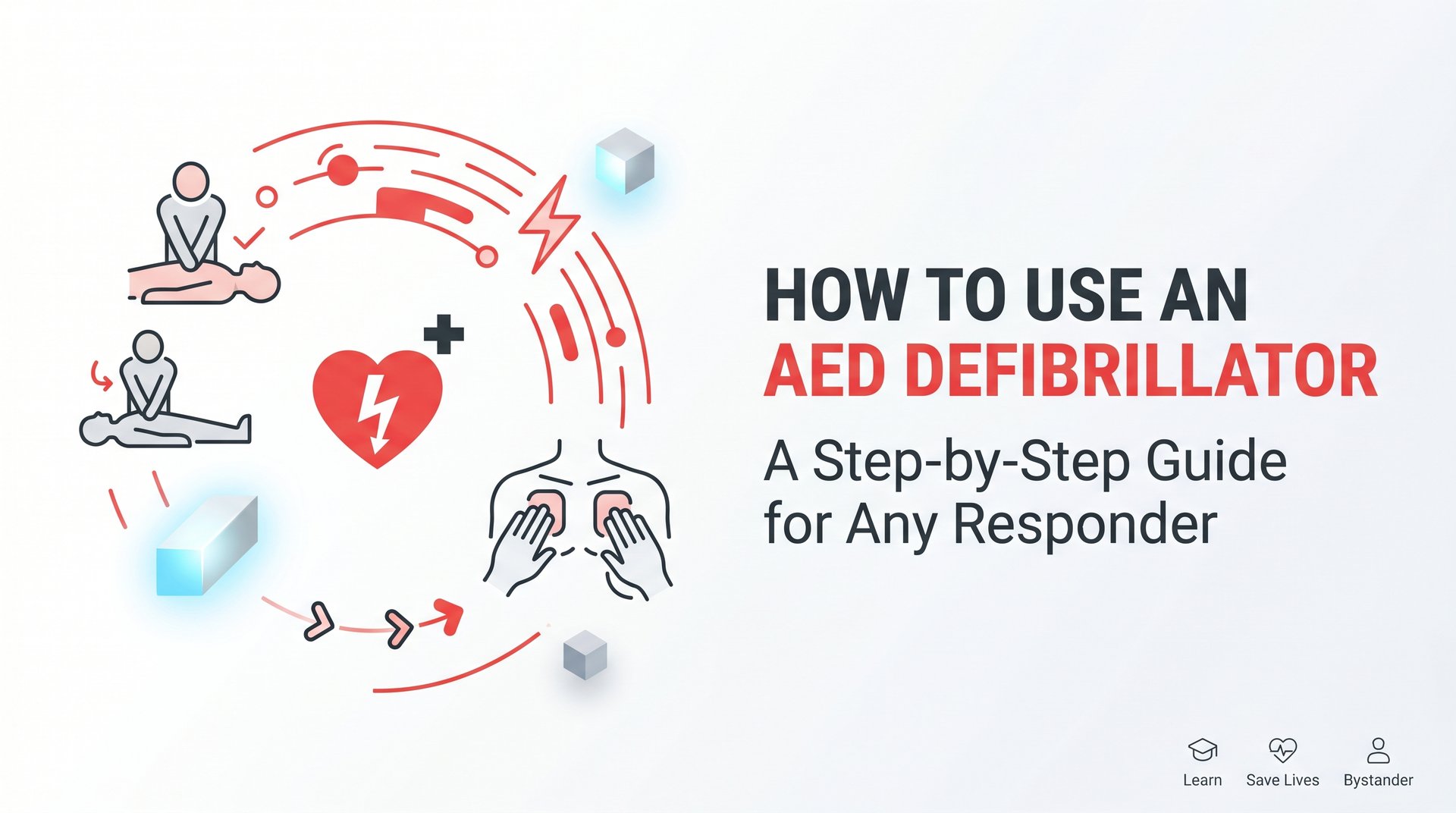
Learning how to use an AED defibrillator could mean the difference between life and death during sudden cardiac arrest. This step-by-step guide walks any bystander, workplace safety coordinator, or healthcare professional through the complete process—from recognizing a cardiac emergency to delivering a shock—building the confidence to act quickly before professional help arrives.
This step-by-step compliance guide covers AED training requirements for businesses, helping workplace safety coordinators and business owners build a compliant AED program that meets OSHA and state regulations. From assessing your current setup to certifying employees and maintaining proper documentation, the guide provides actionable guidance for organizations of any size committed to protecting employees from sudden cardiac arrest.
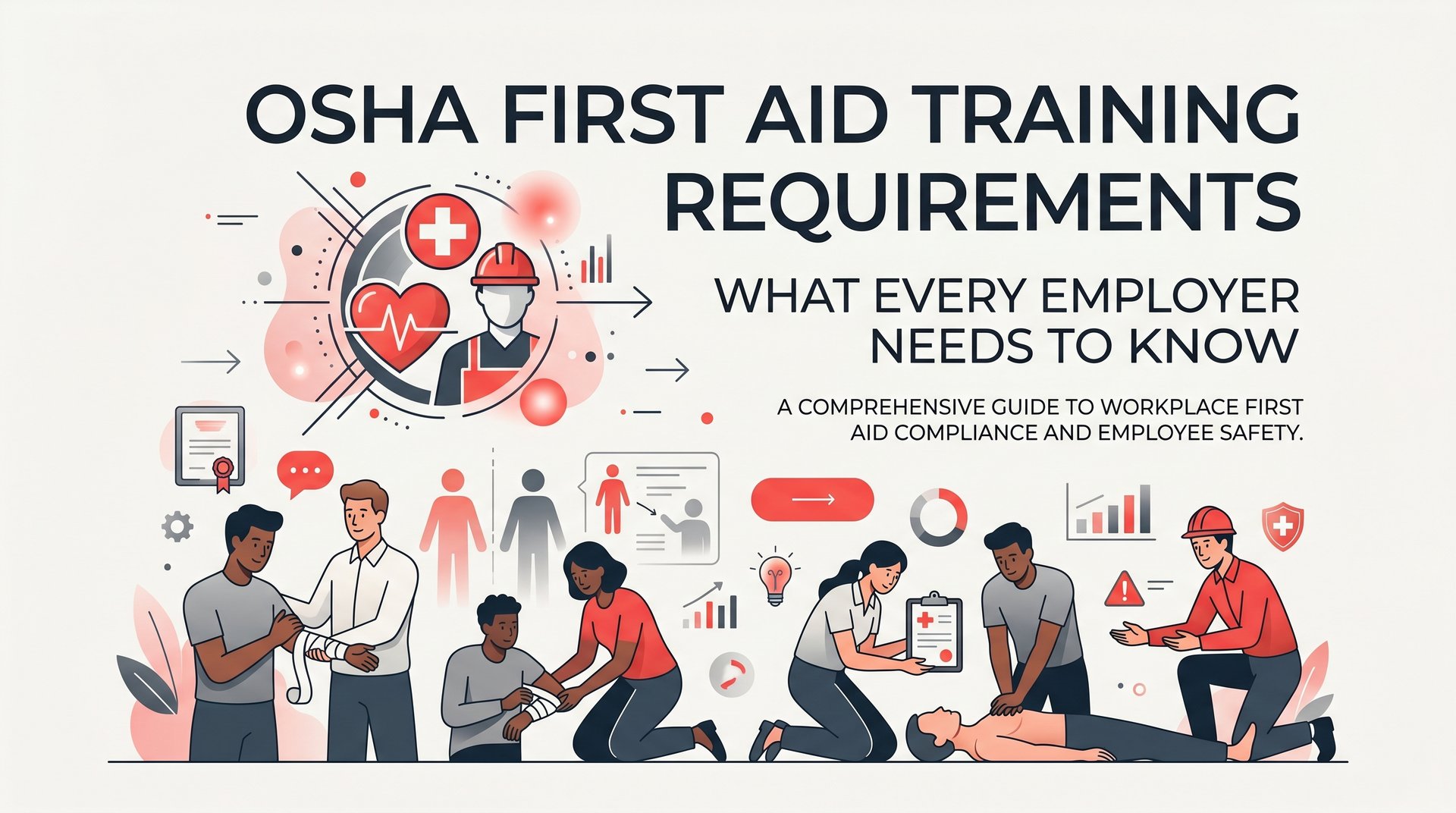
OSHA first aid training requirements mandate that employers ensure prompt first aid access for injured or ill workers — going far beyond simply stocking a first aid kit. This guide breaks down exactly what OSHA requires, who needs to be trained, and how to build a compliant workplace program that withstands federal inspection.
Choosing between AHA Heartsaver vs BLS certification depends on your professional role, employer requirements, and the skill level each program covers. This guide outlines seven practical strategies to help healthcare professionals, workplace safety coordinators, and individuals select the right CPR certification the first time, avoiding costly mistakes and course retakes.
First aid certification equips you with the skills and confidence to respond effectively during medical emergencies—from choking and falls to workplace injuries—before professional help arrives. This comprehensive guide covers what certification training teaches, who needs it, how courses are structured, and how to choose the right program for your specific situation, whether you're a concerned parent, employer, or safety professional.
Finding CPR recertification near me doesn't have to be complicated—this guide outlines seven practical strategies to help healthcare professionals, workplace coordinators, and individuals locate accredited courses that meet their specific certification requirements before their two-year expiration lapses. From identifying recognized providers to choosing the right course format, these approaches help ensure continuous compliance and emergency preparedness without unnecessary delays or credential gaps.
Earning your CPR instructor certification transforms you from a trained responder into someone who equips entire workplaces, healthcare teams, and communities with life-saving skills. This step-by-step guide walks you through eligibility requirements, choosing an accredited organization, completing instructor training, and passing evaluations to become a certified CPR instructor.
Finding a CPR class weekend option is the practical solution for busy professionals, healthcare workers, and safety coordinators who can't fit certification training into their weekday schedules. This guide outlines seven actionable strategies to help you identify the right weekend CPR course, choose the appropriate certification level, and maximize your training experience without disrupting your professional or personal routine.
CPR class cost varies widely—from a few dollars to over $100—depending on course format, certifying organization, and what's included. This guide breaks down the key pricing factors across common course types to help you choose the right CPR certification for your needs and budget without overpaying for the wrong option.
CPR certification is valid for how long depends on several factors, but the standard window is two years from your training date. This guide explains what affects your certification's expiration, how renewal timelines vary by issuing organization and certification type, and how to stay compliant before your credentials lapse.
Getting your CPR certification same day is entirely achievable with the right approach, and this guide outlines seven proven strategies to help healthcare professionals, workplace coordinators, and everyday individuals earn a compliant, quality certification within hours—covering everything from choosing the right course format to walking in fully prepared for immediate success.
Finding the right CPR certification near me requires more than a quick search—quality, format, and employer recognition vary significantly between providers. This guide outlines seven practical strategies to help healthcare professionals, workplace coordinators, and first-time learners identify accredited local courses that match their schedule, meet certification requirements, and are taught by qualified instructors.
Teachers are frequently first responders during school emergencies, making CPR certification for teachers an essential professional skill that can save student lives before paramedics arrive. This guide outlines seven practical strategies to help educators choose the right certification level, navigate district requirements, and complete training efficiently despite demanding schedules.
CPR certification for personal trainers is a critical professional requirement that equips fitness professionals with life-saving skills to respond to cardiac emergencies before emergency services arrive. This step-by-step guide helps both new and experienced trainers choose the right certification level, navigate the process, and meet the standards expected by employers, certification bodies, and liability insurers.
This comprehensive guide outlines seven practical strategies for nurses to earn and maintain CPR certification for nurses, covering how to choose the right certifying body, meet employer and state licensing requirements, and build real-world resuscitation confidence. Whether you're a new graduate or an experienced RN due for renewal, these actionable approaches help you stay compliant, current, and clinically prepared.
CPR certification for gyms is essential for protecting members during cardiac events and emergencies in high-intensity fitness environments. This guide outlines seven proven strategies to help gym owners and fitness managers build a comprehensive certification program that ensures staff readiness, reduces liability, and establishes a culture of safety that members can trust.
Healthcare professionals can complete their BLS renewal online without disrupting their schedules by following seven practical strategies that address common challenges, including choosing an accredited course, ensuring employer acceptance, and maintaining hands-on skills competency. This guide provides clear, actionable guidance for nurses, paramedics, physicians, and other clinical staff navigating the recertification process efficiently and confidently.
BLS certification renewal is a mandatory requirement for healthcare professionals, and letting credentials lapse can jeopardize employment, malpractice coverage, and hospital privileges. This step-by-step guide covers everything from when to start the renewal process and how to choose the right course format, to what to expect during class and how to maintain uninterrupted certification throughout your career.
Managing CPR certification cost doesn't require sacrificing training quality — this guide outlines seven practical strategies to help individuals, healthcare professionals, and workplace safety coordinators find accredited courses that meet regulatory requirements while staying within budget. Understanding what drives price differences across formats, providers, and certification levels empowers smarter decisions without compromising the skills that matter most in emergencies.
A CPR certification card is official documentation of a skills-based credential that verifies you've completed accredited training, and it functions much like a driver's license with an expiration date, issuing organization, and real-world requirements in many workplaces. This guide explains everything you need to know about your CPR certification card, from understanding what's on it to keeping it valid and replacing it if lost.
Finding the right BLS class near me requires more than a simple search — accreditation, employer requirements, and training format all play critical roles in choosing a valid certification. This guide outlines seven proven strategies to help healthcare professionals like nurses, paramedics, and medical assistants select a reputable Basic Life Support course that meets professional standards and won't be rejected by their employer.
Corporate CPR training equips employees with the skills to respond effectively during sudden cardiac emergencies, bridging the critical gap before professional help arrives. This guide covers what workplace CPR certification involves, why it matters across all industries, and how organizations can get their teams trained and prepared to act confidently in those life-saving first minutes.
Choosing between BLS vs CPR certification depends on your specific role, setting, and employer requirements—not just personal preference. This guide breaks down seven key differences between the two credentials, helping healthcare professionals, workplace safety coordinators, and first-time learners select the right training to stay compliant, confident, and genuinely prepared when a life-threatening emergency strikes.
CPR certification for childcare is a required credential for most licensed daycare centers, nannies, and after-school programs, with many states mandating that all staff maintain current certification. This step-by-step guide covers everything childcare providers need to know to get certified, meet regulatory requirements, and build the pediatric CPR skills necessary to respond confidently during a child's medical emergency.
CPR AED training equips individuals with the hands-on skills and official certification needed to respond effectively during cardiac emergencies. This comprehensive guide walks healthcare professionals, workplace safety coordinators, and everyday individuals through choosing the right course, completing each training phase, and maintaining certification so they're always prepared to act when every second counts.
CPR certification expiration is a critical compliance issue that affects healthcare workers, safety coordinators, and anyone required to maintain emergency readiness credentials. This guide explains why certifications expire, how long they typically last, what happens when they lapse, and how to build a reliable renewal system to stay current and avoid costly gaps in coverage.
Healthcare professionals can earn or renew their BLS certification online more conveniently than ever, but not all programs meet employer and licensing board requirements. This guide covers seven proven strategies to help nurses, paramedics, and other clinicians choose an accredited online BLS program that delivers both flexibility and workplace acceptance.
A BLS certification course prepares healthcare providers to respond to cardiac arrest, respiratory emergencies, and airway obstructions in patients of all ages, making it a required credential for nurses, physicians, and other clinical professionals. This step-by-step guide walks you through exactly what to expect so you can complete the process with confidence, regardless of your experience level.
AHA BLS certification from the American Heart Association is the gold-standard credential that healthcare professionals, employers, and licensing boards rely on for life-saving emergency response. This guide explains who needs the certification, what the training covers, and how to get certified or recertified efficiently.
This step-by-step guide walks you through everything you need to know about completing an AED certification course, from understanding what the training covers to choosing the right program for your needs. Whether you're a healthcare professional, workplace safety coordinator, or everyday individual, earning AED certification equips you with the confidence and skills to operate a defibrillator effectively during a sudden cardiac arrest emergency.
This guide outlines seven practical strategies to help healthcare workers simplify CPR certification for healthcare workers, from selecting accredited programs to building sustainable renewal habits. Whether you're a nurse renewing BLS credentials or a facility manager coordinating team compliance, these actionable approaches reduce stress and keep healthcare professionals certified without disrupting demanding work schedules.
Adult CPR certification equips you with the hands-on skills needed to respond confidently during cardiac emergencies before professional help arrives. This comprehensive guide covers who needs certification, what training involves, and how to choose the right course—whether you're a healthcare professional, educator, or everyday person committed to being prepared when it matters most.